Why reality capture programs stall before they scale
.svg)
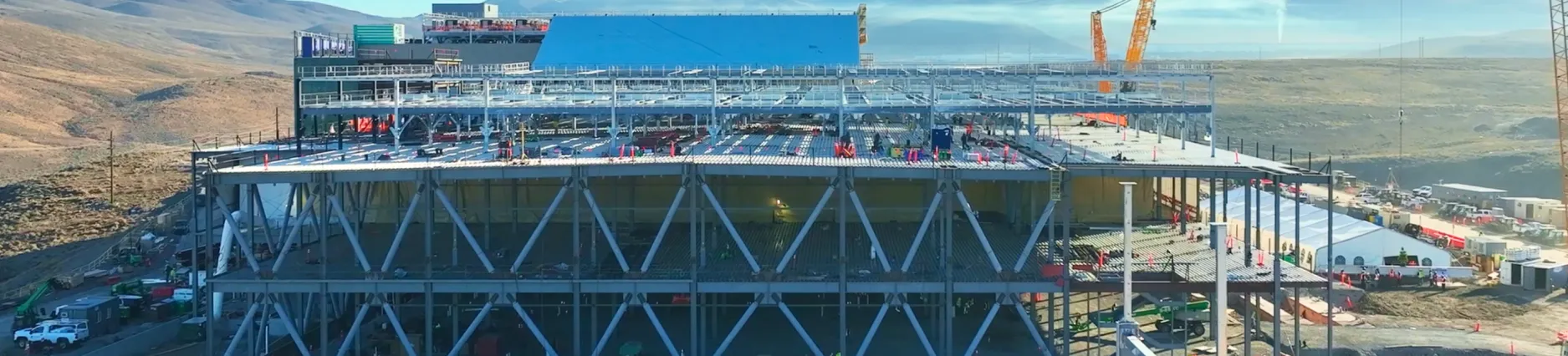
Quick Summary
Most reality capture programs stall for the same reason, which is that the tool gets adopted while the habits never do. Cameras end up in a drawer, captures happen only when someone remembers and the data slowly goes stale. The programs that scale are the ones that make capture part of how the job runs every week, and they tend to share a handful of habits worth copying.
Flights are easy to schedule, a 360 walk takes only a few minutes and the platform does its job without complaint. What actually stalls a program is everything that happens after the first walk or flight, once the early energy fades and capture has to compete with the hundred other priorities on a busy site.
Adoption, in other words, is the whole game. A program scales when capture becomes a habit the team runs without being asked, and the teams that get there tend to do the same handful of things. None of it is complicated, but all of it has to be deliberate.
For a look at how real data center teams made those habits stick, watch the on-demand session, with former Global Head of Program Controls, Matt Craske.
Point it at a goal bigger than flying the site
The programs that stall often begin with a tool in search of a use, while the ones that scale begin with a goal that leadership already cares about. That goal might be managing more cost of work remotely, putting your best people across more projects or cutting the time it takes to settle a dispute.
Whatever it is, naming it first is what decides what you capture, how often you capture it and why anyone on site should bother. Capture for its own sake tends to fade by the second month, while capture tied to a number that leadership actually watches has a way of sticking around.
Make people want to pick up the camera
Some crews will quietly skip a 360 walk because the rig feels awkward to carry around, and the program works better when you treat that reaction as real and design around it. One simple approach is to gamify the work by running a quarterly competition for the most walks and letting the winner keep the camera, which costs about $800 and barely registers against a data center budget.
It also helps to take the task off your most expensive people, since a 360 walk needs no special training and a project engineer or a member of the housekeeping crew can run the route on a fixed cadence.
Make the data the cost of doing business
The most reliable way to make capture stick is to require it as a condition of the work itself. When you tie pay apps, RFIs and rework to a current capture, the documentation stops being optional, because the pay app only moves once the capture exists.
Subs quickly learn to plan the capture into the week rather than chase it after the fact. The same logic carries all the way through closeout, where making the final walk a condition of final payment is what guarantees the as-built record arrives complete.
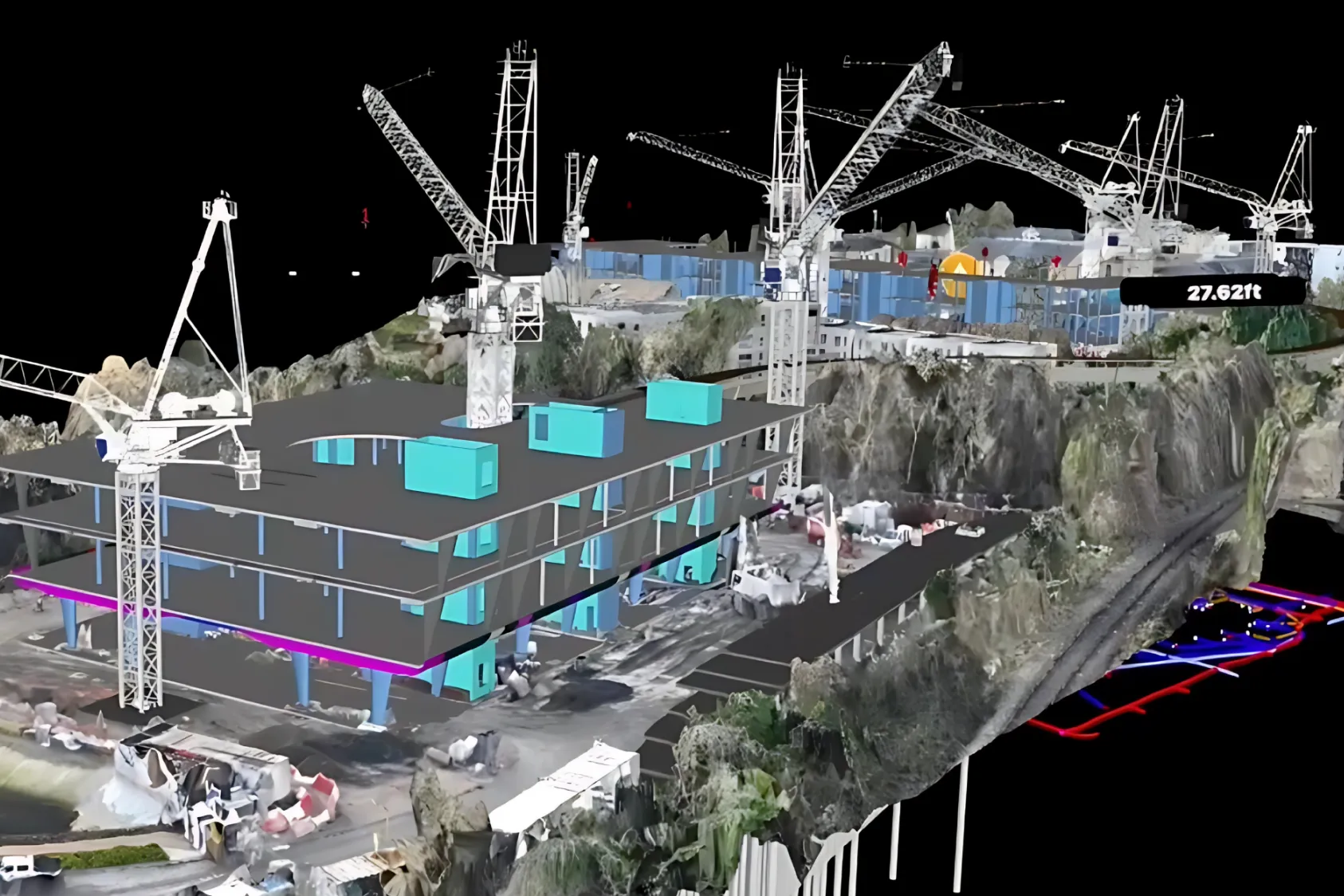
See how Laing O' Rourke is transforming data center construction
Lead by example
Capture becomes part of the language of a project when leaders use it out loud rather than delegate it and look away. That means asking for the latest flight in the OAC meeting, showing up when the crew flies and pulling up a 360 walk to answer a question instead of booking another site visit.
A program that the superintendent and the project executive actually open every week is one the rest of the field will open too, because people pay attention to what their leaders pay attention to.
Keep the bar low enough to clear
A surprising number of programs die while waiting for perfect. The team holds out for full automation or survey-grade accuracy on every capture and, in doing so, never takes the first step.
A healthier approach is to crawl, then walk, then run. Start with the visual layer that anyone can use, add measurement where it genuinely matters and bring in automated progress tracking once the capture habit has taken hold.
A program that ships something useful this month will always be worth more than one still scoping the ideal version a year from now.
Check out the success of McCarthy Builder's capture program
Sell the time capsule
The easiest return to point at is the visual history itself, the record of what sits behind the wall, how the site looked before the slab went down and how the whole building came together over time. It is the simplest thing to show a skeptic and the first thing the operations team will thank you for once they inherit the asset.
When you make the case internally, that visual history is the place to start.
Snag the easy wins
It also pays to find the one output people genuinely want and give it to them early. On big programs, a monthly video report built from the capture often becomes the thing executives and trade partners ask to be featured in, and a little pride moves adoption further than any mandate ever will.
The lesson is to pick one easy win and ship it before you try to automate anything more ambitious.
The habits compound
None of these habits carries much weight on its own, but together they create a loop that builds on itself. More capture produces more data, more data earns more trust, and more trust drives more use, which in turn produces still more capture. That loop is what carries a program from a single site to a whole portfolio.
So start small, but start now. Pick one goal, one incentive and one pull-through rule, and let the loop build from there. If you want to see these habits at work on a live data center program, watch the on-demand session or talk with our team.
.png)
FAQ
Ready to manage your data from the very start?
Book a quick call to see how DroneDeploy streamlines capture from construction through building ROI.